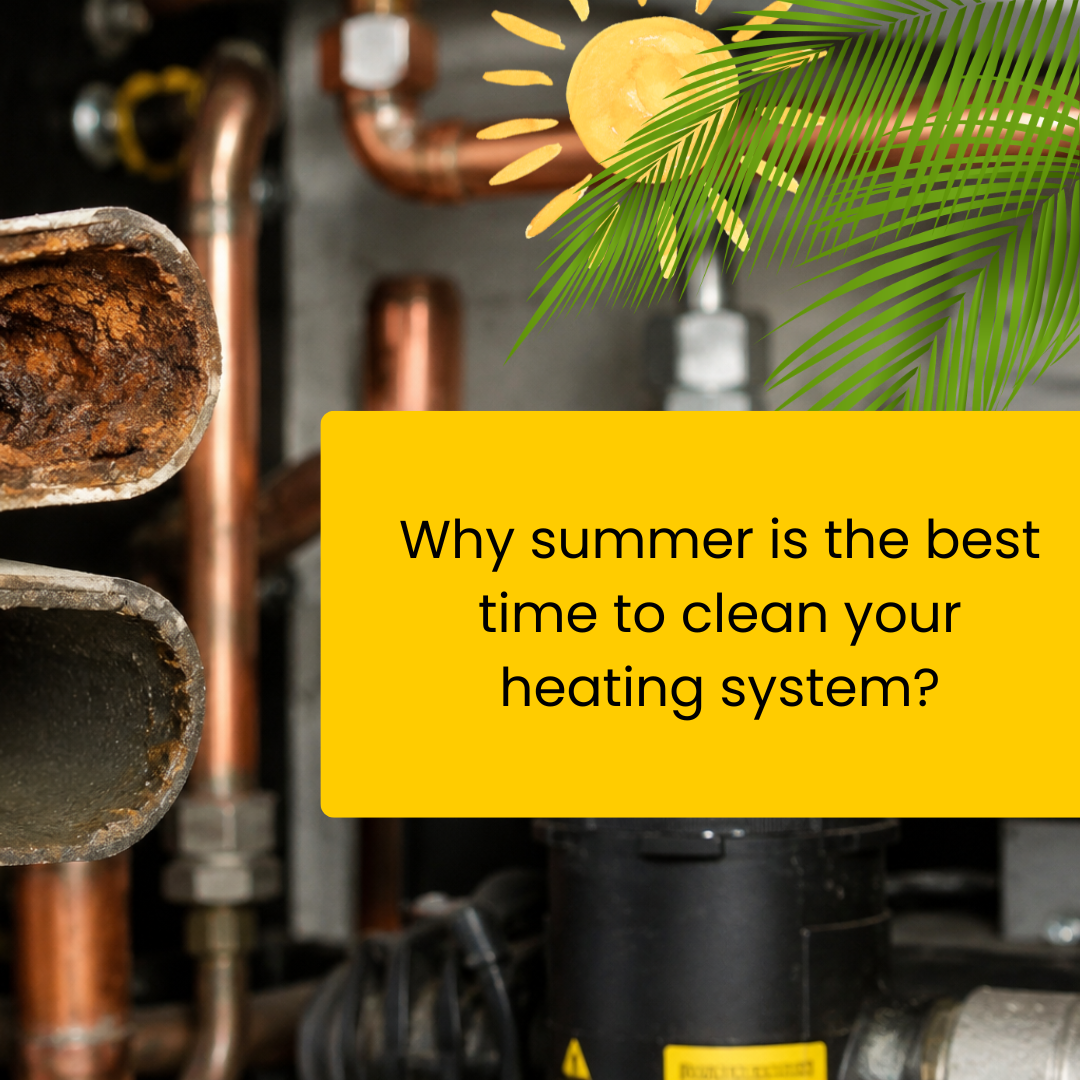
The end of summer is the perfect time to prepare your heating system for the colder months ahead. Waiting until the first cold evening to discover a problem can mean higher costs, poor heating performance and an inconvenient call to an engineer.
Before you switch your heating back on, take a few minutes to check these seven things.
1. Check the system pressure
Look at your boiler's pressure gauge and check that it is within the range recommended by the manufacturer. If the pressure is unusually low or keeps dropping, there could be a leak or another issue that needs attention.
2. Inspect your radiators
Walk around your home and check each radiator for leaks, corrosion or unusual marks. If a radiator has cold spots, particularly at the bottom, it could indicate sludge or poor circulation within the system.
3. Bleed radiators if necessary
Air trapped inside radiators can prevent them from heating evenly. If you hear gurgling or notice that the top of a radiator remains cold, bleeding it may help restore proper circulation.
Remember to check the system pressure again afterwards.
4. Look for signs of corrosion or dirty water
If you've recently carried out maintenance or opened the system, take a look at the heating water. Dark, dirty or discoloured water can be a sign that corrosion and debris are present inside the system.
5. Check your inhibitor concentration
Corrosion inhibitor helps protect metal components inside a heating system. However, its concentration can change over time, particularly after leaks, refilling or adding fresh water.
A quick inhibitor test can help confirm whether the system still has adequate protection. ReDiant Molybdate Test Strips provide a simple way to check the concentration of molybdate-based inhibitors before the heating season begins.
6. Check for leaks
Inspect visible pipework, radiator valves and connections for signs of moisture or corrosion. Even a small leak can gradually reduce system pressure and dilute the inhibitor concentration.
If you notice a recurring loss of pressure, don't simply keep topping the system up-investigate the cause.
7. Test the heating before you actually need it
Finally, turn the heating on for a short period and make sure everything works as expected. Listen for unusual noises, check that radiators heat evenly and make sure the boiler starts and stops normally.
Doing this in late summer or early autumn gives you time to deal with problems before temperatures drop.