Many homeowners believe that once a new boiler or underfloor heating system is installed, it will operate efficiently for years without any additional protection. Unfortunately, this assumption often leads to costly repairs, reduced efficiency, and premature system failure. Even brand - new heating systems are vulnerable to internal corrosion, sludge accumulation, and limescale build-up from the very first day they are filled with water.
Modern heating systems may be more advanced than older models, but they are also more sensitive. Today’s high-efficiency boilers and heating components are designed with narrower waterways and more complex heat exchangers to improve energy performance. While this helps reduce energy consumption, it also means that even small amounts of contamination inside the system can quickly create serious problems.
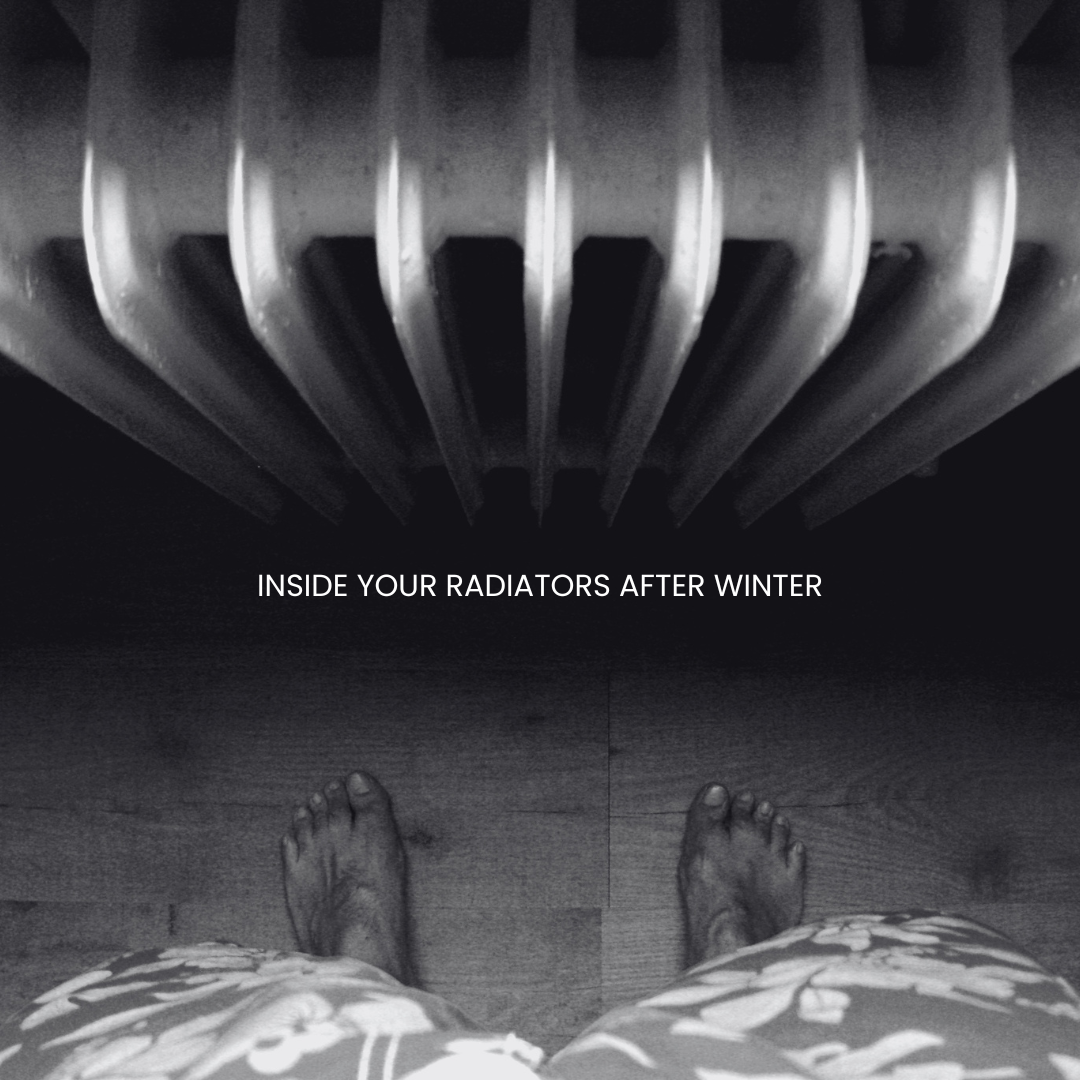
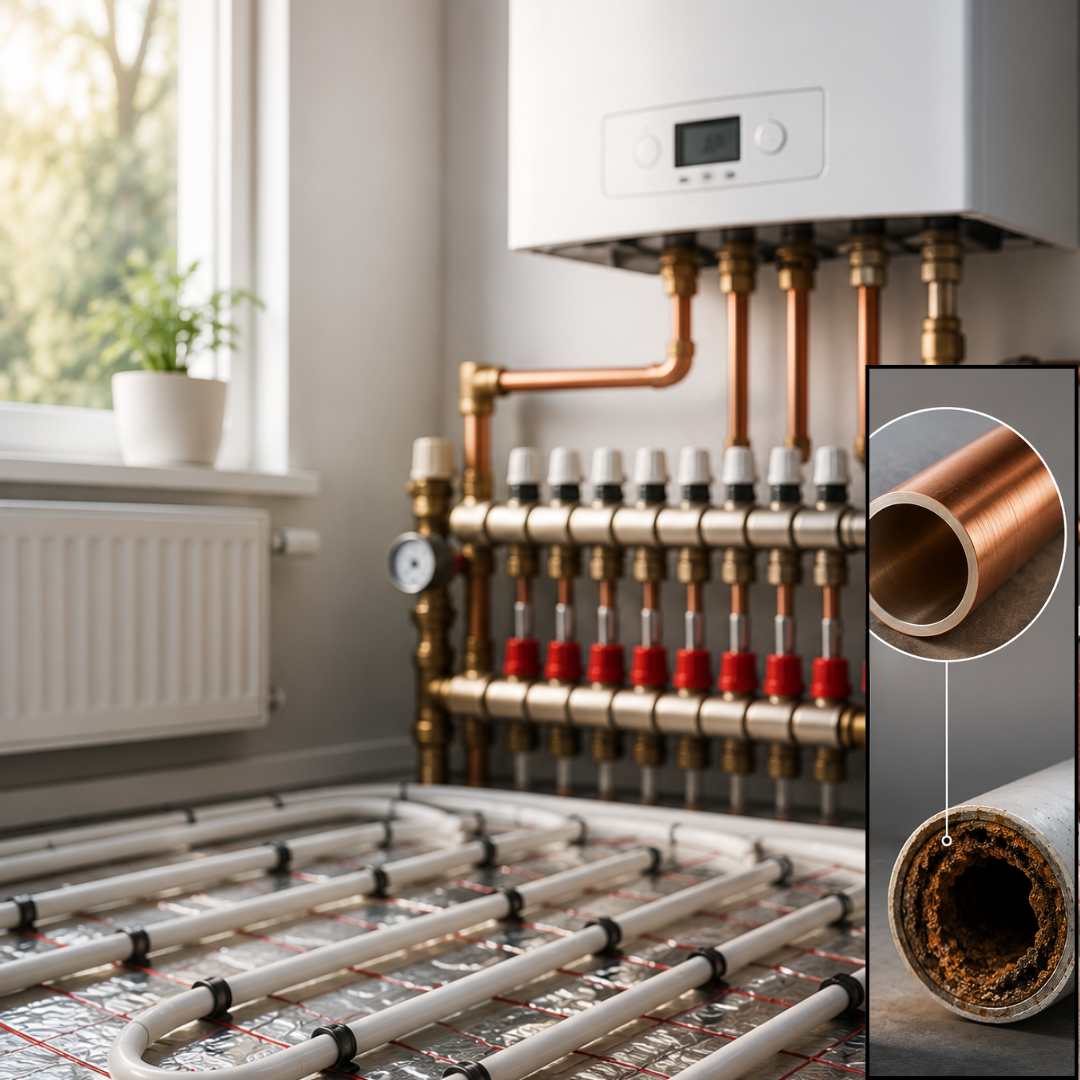
One of the most common issues is sludge formation. Sludge develops when metal components inside the heating system begin to corrode. As corrosion occurs, tiny particles of rust and debris circulate through the pipework and radiators. Over time, these particles settle and form a thick black sludge, particularly in low-flow areas such as radiators and underfloor heating circuits. This build-up restricts water circulation, creates cold spots, and forces the boiler to work harder to maintain the desired temperature.
Limescale is another hidden threat, especially in hard water areas. When untreated water is heated repeatedly, minerals such as calcium begin to accumulate on internal surfaces. Even a thin layer of limescale can significantly reduce heat transfer efficiency. This means the boiler uses more energy to produce the same level of heating, increasing household energy bills over time.
Many homeowners are surprised to learn that new systems are often at greater risk during their first few years. During installation, small amounts of flux residue, metal filings, and installation debris can remain inside the system. Without proper water treatment, these contaminants accelerate corrosion and contribute to early wear of pumps, valves, and heat exchangers.
This is why professional installers and heating engineers strongly recommend adding a quality inhibitor treatment as soon as the system is commissioned. A central heating inhibitor works by creating a protective barrier inside the system, helping to prevent corrosion, reduce sludge formation, and minimise limescale deposits. Proper water treatment not only protects the boiler but also helps maintain energy efficiency and prolongs the lifespan of the entire heating system.
Products such as ReDiant H7 Central Heating Protector are specifically designed to provide long-term protection for modern central heating systems. Suitable for mixed-metal systems, inhibitor solutions help protect components including steel radiators, aluminium heat exchangers, copper pipework, and underfloor heating circuits.
Regular maintenance also plays an important role. Even with inhibitor protection, heating systems should be checked periodically to ensure inhibitor levels remain effective and the system water stays clean. Preventative care is always far less expensive than repairing a damaged boiler or replacing blocked radiators.
Investing in a new heating system is a significant expense, and protecting that investment should begin immediately. Proper water treatment from day one helps ensure reliable performance, lower energy consumption, and fewer unexpected breakdowns in the years ahead.