It’s March 3rd, and as temperatures slowly begin to rise, most homeowners shift their focus from heating bills to spring cleaning. However, early spring is actually the perfect time to inspect and maintain your heating system before shutting it down for the warmer months. Proper maintenance now can prevent expensive breakdowns in autumn and significantly extend the lifespan of your entire system.
Why spring maintenance matters
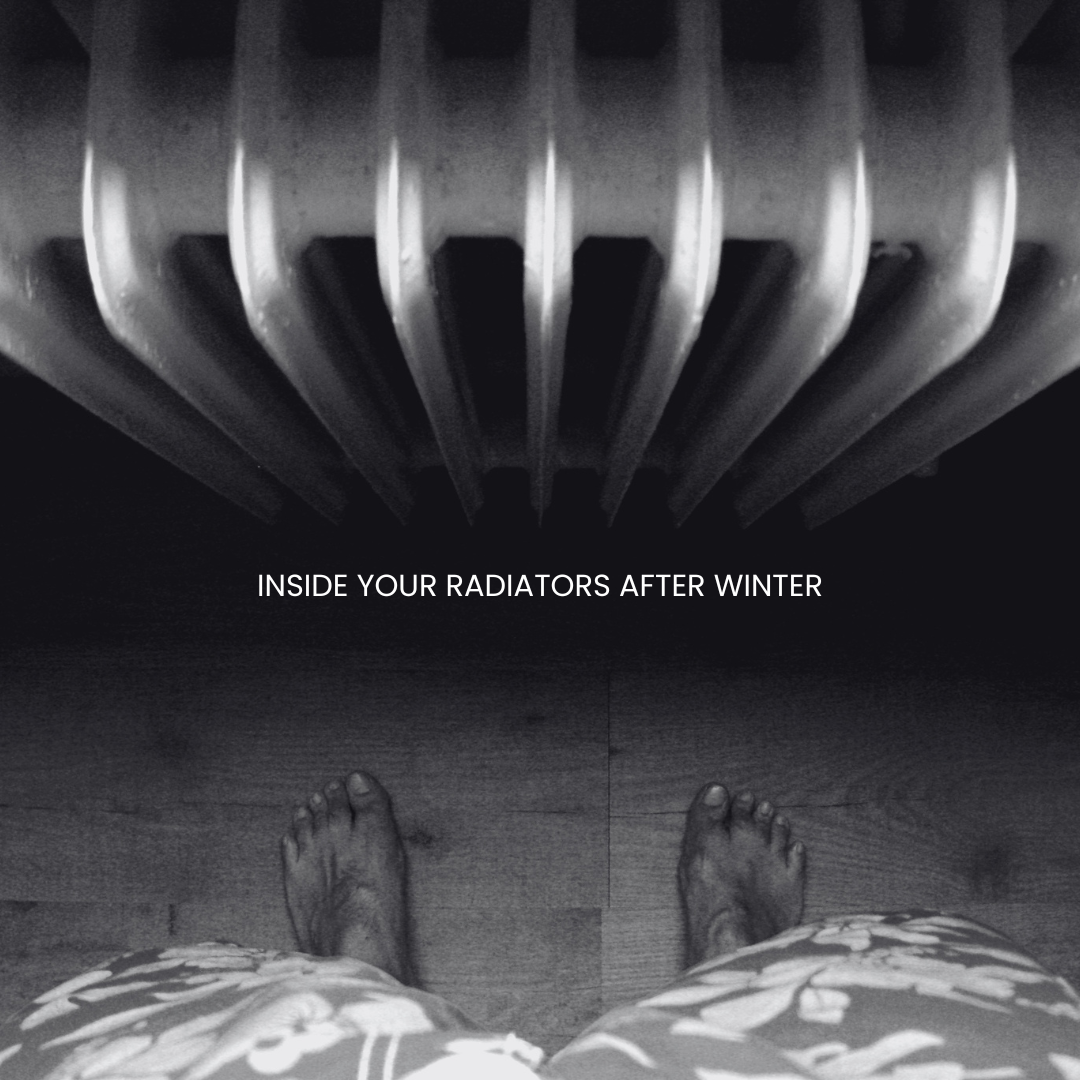
During winter, heating systems work at full capacity for months. This continuous operation leads to the accumulation of sludge, corrosion by-products, and scale inside the system. Over time, these deposits reduce efficiency, increase energy consumption, and may even cause component failure—especially in boilers, pumps, and radiators.
If left untreated during the off-season, corrosion can continue internally, even when the system is not actively running. By autumn, you might be facing reduced performance, uneven heating, strange noises, or worse—costly repairs.
Common spring problems in heating systems
- Sludge build-up – Black magnetite sludge can restrict flow in radiators and pipework.
- Corrosion – Oxygen and untreated water cause internal rusting.
- Reduced efficiency – Deposits inside heat exchangers decrease heat transfer.
- Unbalanced chemical protection – Over time, inhibitors break down or dilute.
Spring is the ideal moment to address these issues while the system is still operational and easier to flush, clean, and test.
The smart approach: Clean, protect, and test
A proper maintenance routine should include three essential steps:
1. Cleaning the system
Using a high-quality Heating System Cleaner helps remove sludge, scale, and debris that accumulated over winter. Cleaning restores circulation, improves heat transfer, and prepares the system for protective treatment.
2. Adding protection
After cleaning, it’s crucial to add a Heating System Protector. This product forms a protective layer inside the system, preventing corrosion, scale formation, and further sludge development during the off-season and beyond.
3. Testing inhibitor levels
Protection is only effective if it is present at the correct concentration. Molybdate Test Strips allow you to quickly and accurately check inhibitor levels in the system water. This ensures your heating system remains properly protected and compliant with maintenance best practices.
Ignoring this step can lead to under-protected systems, which may silently corrode over summer.
Long-term benefits
- Taking action in March offers several advantages:
- Improved system efficiency next heating season
- Lower energy consumption
- Reduced risk of breakdowns
- Extended boiler lifespan
- Compliance with warranty requirements
In many cases, manufacturers require proof of proper water treatment and inhibitor levels to maintain warranty validity. Regular testing and documentation can protect your investment.
Prepare now, save later
Spring maintenance is not just an optional extra—it is a smart preventative strategy. Instead of waiting for problems to appear in autumn, use this transitional period to clean, protect, and test your system.
Make spring not just a season of cleaning your home—but also a season of protecting your heating system.